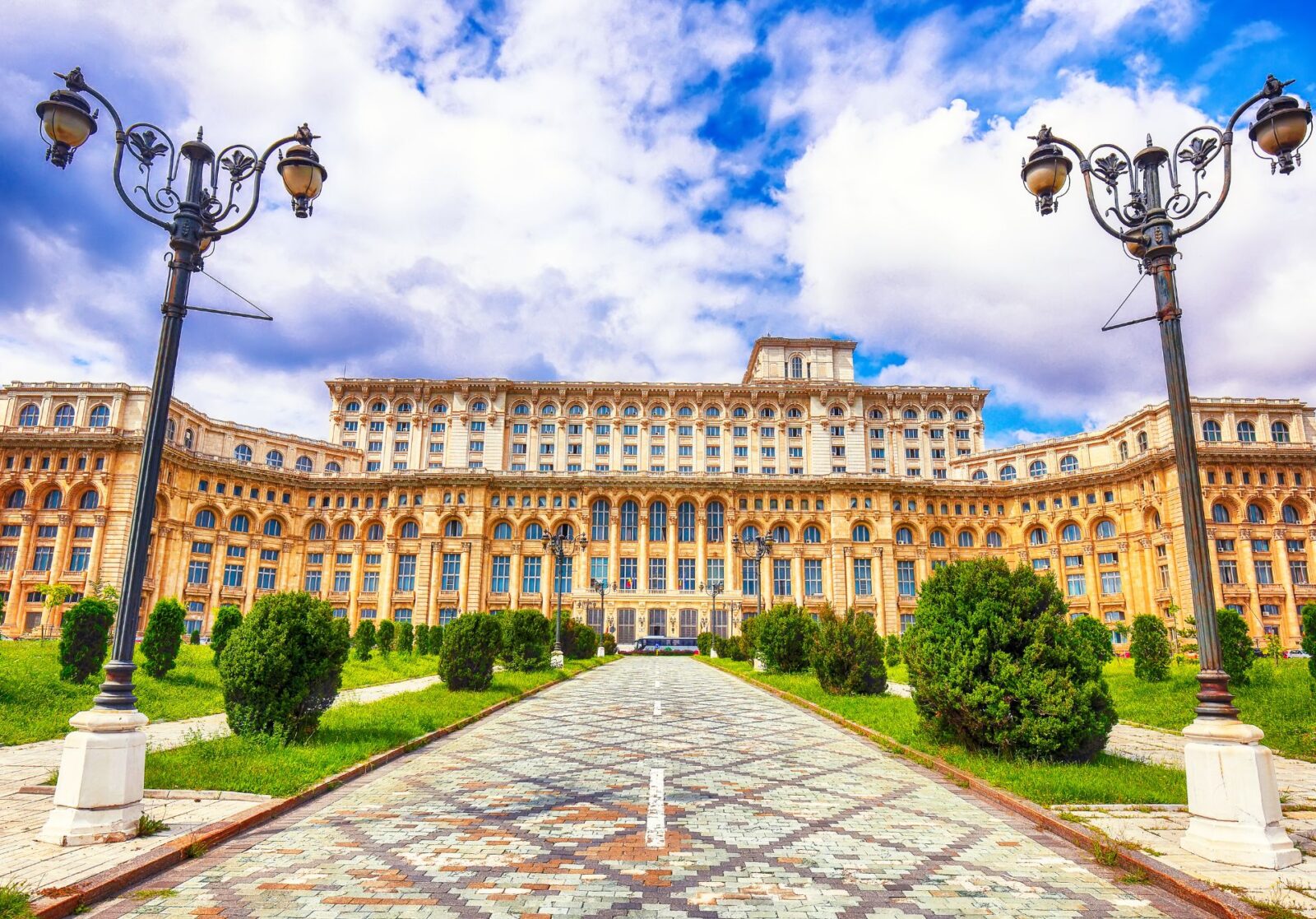
Palace of the Parliament
Nestled in the heart of Bucharest, Romania, the Palace of the Parliament stands as an extraordinary testament to the grandiose vision of Nicolae Ceaușescu, the country’s former communist dictator. This immense structure is not merely a building, but a profound architectural statement that embodies the excess, ambition, and ultimately, the hubris of an entire political regime.
Historical Context: The Genesis of a Megalomaniacal Dream
In the 1980s, Ceaușescu envisioned a monumental administrative center that would showcase the supposed power and prosperity of communist Romania. The project began in 1984, with massive demolitions in Bucharest’s historic center to create space for this unprecedented architectural undertaking. Entire neighborhoods, including churches and synagogues, were razed to make way for what would become the world’s largest civilian administrative building.
Architectural Specifications: Staggering Statistics
The Palace of the Parliament is a marvel of sheer scale and complexity:
- Total floor space: Approximately 365,000 square meters
- Weight: Around 4 million tons
- Volume: 2.55 million cubic meters
- Number of rooms: Over 1,100
- Height: 84 meters
Construction: A Human and Economic Toll
The construction of this mammoth structure came at an enormous human and economic cost. Thousands of workers, including many political prisoners and soldiers, labored under harsh conditions. An estimated 20,000 workers were involved in its construction, working around the clock to fulfill Ceaușescu’s vision. The financial burden was immense, consuming approximately 40% of Romania’s national budget during a time of severe economic hardship for most citizens.
Architectural and Material Composition
Nearly every material used in the palace was Romanian-sourced, a point of pride for Ceaușescu. The building incorporates marble from Transylvanian quarries, crystal chandeliers from Romanian factories, and hand-woven carpets from national workshops. Each room represents a meticulous display of Romanian craftsmanship, ironically created under conditions of extreme national deprivation.
Modern-Day Significance: From Political Symbol to Democratic Landmark
After the fall of communism in 1989, the Palace of the Parliament transformed from a symbol of oppression to a functional democratic institution. Today, it houses the Romanian Parliament, serves as an international conference center, and hosts museums and cultural exhibitions. Guided tours now allow visitors to explore its immense halls, offering a stark reminder of Romania’s complex political history.
Cultural and Tourism Impact
The palace has become a significant tourist attraction, drawing approximately 1 million visitors annually. It ranks as the world’s largest civilian building and the second-largest administrative building after the Pentagon. Tourists are fascinated not just by its size, but by the intricate story of its creation and the historical context that birthed such an extraordinary structure.
The Palace of the Parliament transcends its physical dimensions. It is a breathtaking architectural achievement and a powerful historical artifact that embodies Romania’s tumultuous journey through the 20th century. More than just concrete and marble, it represents the intersection of political ideology, human labor, architectural ambition, and national resilience.