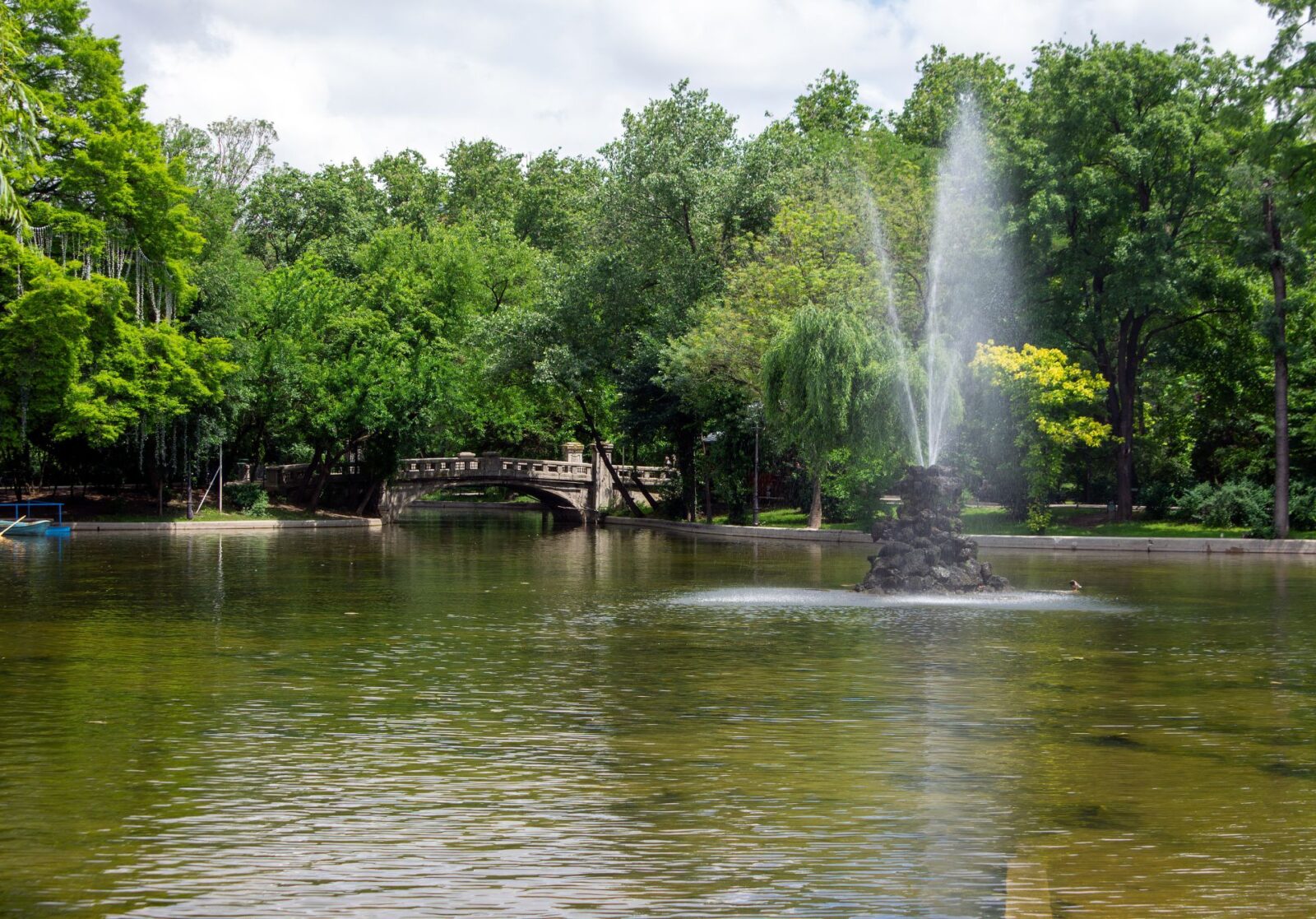
Cișmigiu Gardens
Nestled in the heart of Bucharest, Cișmigiu Gardens stands as a testament to the city’s rich historical and cultural heritage. Established in 1845, this urban oasis was designed by landscape architect Wilhelm Mayer and botanist Carol Proost, transforming what was once a marshland into a breathtaking public garden that would become a cornerstone of Bucharest’s urban landscape.
The garden’s name derives from the Turkish word “cișmea,” meaning fountain, reflecting the area’s Ottoman-era history. Initially conceived as a sophisticated green space for the city’s elite, Cișmigiu quickly became a democratic public park that symbolized Bucharest’s modernization and European aspirations during the mid-19th century.
Architectural and Botanical Marvels
Spanning approximately 17 hectares, Cișmigiu Gardens boasts an impressive collection of over 5,000 trees and plants, representing both local and exotic species. The park’s design follows a romantic landscape style, featuring winding pathways, ornate bridges, and carefully curated green spaces that create a harmonious natural environment within the urban setting.
Notable architectural features include the Roman Arcade, a stunning memorial commemorating Romanian soldiers who fought in World War I, and various statues of prominent Romanian literary and historical figures. These monuments not only enhance the garden’s aesthetic appeal but also serve as important cultural markers.
Cultural and Social Significance
Throughout its history, Cișmigiu Gardens has been more than just a park—it’s a living museum of Bucharest’s social evolution. During the late 19th and early 20th centuries, it was a prime location for social gatherings, political discussions, and cultural events. Intellectuals, artists, and politicians would frequently meet in its elegant surroundings, making it a crucible of Romanian cultural and political discourse.
Ecological and Urban Planning Importance
In contemporary Bucharest, Cișmigiu Gardens plays a critical role in urban ecology. With urban temperatures rising and green spaces becoming increasingly scarce, the park serves as a vital lung for the city. Its dense vegetation helps mitigate urban heat island effects, reduces air pollution, and provides a crucial habitat for urban wildlife.
Preservation and Modern Challenges
Despite facing challenges such as aging infrastructure and increasing urban pressures, Cișmigiu Gardens has undergone several restoration projects. Local authorities and conservation groups have worked diligently to preserve its historical integrity while adapting to modern environmental and recreational needs.
Visitor Experience and Attractions
Today, Cișmigiu attracts thousands of visitors annually. Its amenities include a picturesque lake with boat rentals, children’s playgrounds, chess tables for local enthusiasts, and numerous walking paths. The garden hosts various cultural events, from classical music concerts to art exhibitions, maintaining its reputation as a dynamic public space.
Cișmigiu Gardens represents more than a mere park—it is a living chronicle of Bucharest’s transformation. From its origins as a marshy landscape to its current status as a meticulously maintained urban garden, it embodies the city’s resilience, cultural richness, and commitment to preserving natural beauty within an urban context.
As Bucharest continues to evolve, Cișmigiu Gardens remains a constant—a green sanctuary that connects generations, preserves history, and offers respite from the city’s bustling rhythms. It stands as a powerful reminder that urban spaces can be both functionally modern and deeply rooted in cultural heritage.