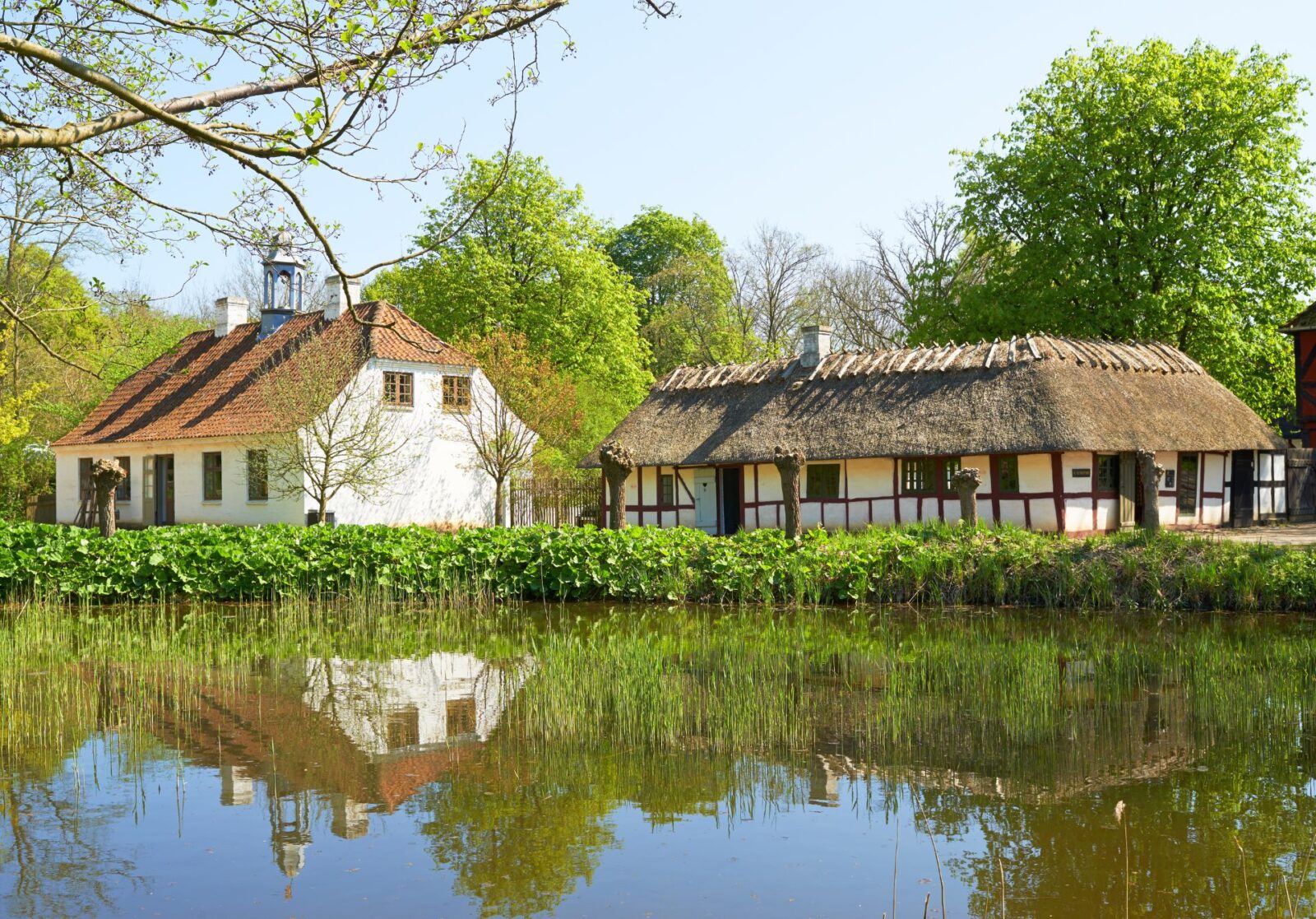
Village Museum (Muzeul Satului)
Nestled in the heart of Bucharest, the Village Museum (Muzeul Satului) stands as a remarkable testament to Romania’s rich rural architectural and cultural heritage. Founded in 1936 by renowned ethnographer Dimitrie Gusti, the museum represents a pioneering approach to cultural preservation that goes far beyond traditional museum experiences.
The museum was conceived during a period of intense national cultural awakening, when Romanian intellectuals sought to document and celebrate the country’s diverse rural traditions. Gusti’s vision was not merely to collect artifacts, but to create a living, breathing representation of Romania’s rural landscape.
Architectural Diversity and Authenticity
Spanning approximately 100,000 square meters, the Village Museum is home to over 300 traditional buildings meticulously relocated from different regions of Romania. These structures represent a stunning array of architectural styles, reflecting the complex geographical and cultural diversity of the country’s rural landscape.
Visitors can explore authentic structures from regions including:
- Maramureș: Characterized by intricate wooden churches and elaborate gates
- Dobrogea: Featuring unique dwellings adapted to the Danube Delta’s environment
- Transylvania: Showcasing Saxon and Romanian architectural influences
- Moldova: Displaying traditional agricultural homesteads
- Oltenia: Representing distinctive southern Romanian building techniques
Cultural Preservation and Ethnographic Significance
More than a mere collection of buildings, the Village Museum serves as a dynamic educational platform. Each structure is carefully reconstructed to maintain its original context, complete with original interior furnishings, agricultural tools, and household items that provide profound insights into traditional Romanian rural life.
The museum employs expert ethnographers and restoration specialists who ensure that every building represents its original environment with extreme accuracy. Traditional crafts are regularly demonstrated, allowing visitors to witness historic techniques in woodworking, weaving, and pottery.
Architectural Typologies Represented
The museum categorizes its buildings into distinct architectural zones, each telling a unique story of adaptation, survival, and cultural identity. From the steep-roofed wooden houses of Maramureș designed to withstand harsh mountain winters to the lighter, more open structures of the Danube Delta, each building represents a sophisticated dialogue between human needs and environmental conditions.
Educational and Tourist Impact
Annually, the Village Museum attracts over 300,000 visitors, including numerous international tourists and school groups. It has become a critical institution for cultural education, offering immersive experiences that connect contemporary Romanians with their rural roots.
The museum also hosts numerous cultural events, including traditional festivals, craft workshops, and seasonal celebrations that bring Romania’s rural traditions to life.
Conservation Challenges and Future Perspectives
Maintaining such an extensive open-air museum presents significant challenges. Ongoing restoration work, protection from environmental degradation, and the careful documentation of traditional building techniques require substantial resources and expertise.
Recent initiatives have focused on digitizing the museum’s extensive collections and developing interactive experiences that can engage younger generations and international audiences.
The Village Museum of Bucharest represents far more than a static collection of buildings. It is a breathing, evolving narrative of Romanian rural life—a carefully curated landscape that captures the soul of a nation’s cultural identity. By preserving architectural diversity, traditional crafts, and rural lifestyles, the museum ensures that Romania’s rich cultural tapestry remains vivid and accessible to current and future generations.